The Superyacht Is an Operating Business. Underwrite It Like One.
The purchase price is the smallest number in a yacht's life. The running costs, the refits and the resale are where the capital actually goes.
Premieur Nov 07, 2026 2 min read
Follow Premieur
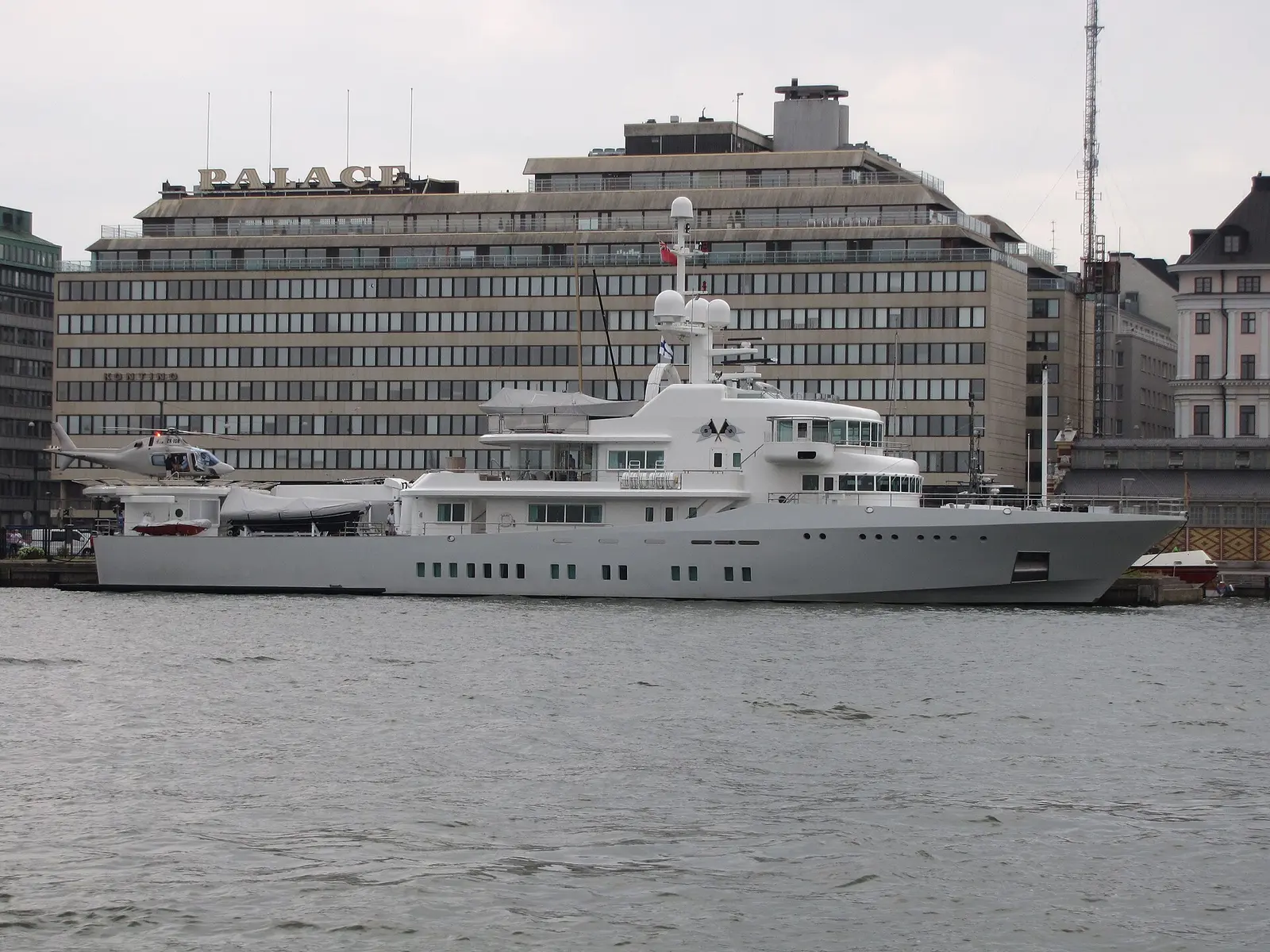
A motor yacht at anchor. Photo: MKFI, Wikimedia Commons, public domain
Every broker in the superyacht market quotes the same rule of thumb, and most buyers hear it too late: budget roughly a tenth of the purchase price every year just to keep the boat running. Crew, berthing, insurance, fuel, maintenance and class surveys come due whether the owner spends two weeks aboard or twenty.
That rule changes what the asset is. A yacht is not a thing you own so much as a small company you fund. It has a payroll, often the largest single line, because a well run vessel keeps its captain and senior crew for years and pays to do it. It has a capital expenditure cycle, with major surveys and refits that arrive on a schedule and rarely come in under estimate. And it has a regulatory life of its own, from the flag it sails under to the tax treatment of where it is used.
Where the money really goes
The purchase is the moment of greatest choice and the least lasting cost. What follows is a set of commitments that compound. Berths in the best Mediterranean and Caribbean marinas are scarce in season. Insurance tracks hull value and cruising grounds. A refit can take a yacht out of service for months, which matters most to an owner who charters.
Charter is the usual answer to the cost, and it is a partial one. Chartering can offset a meaningful share of running costs, but it brings commission, wear, extra crew hours and the operational discipline of a hospitality business. Owners who treat charter income as a way to make the boat pay for itself are usually disappointed. Owners who treat it as a way to keep a professional crew busy and the systems in use tend to be happier.
The exit is the real test
Most yachts lose value from the day they leave the yard, and the resale market is thin, cyclical and slow. The boats that hold value best share a profile buyers will recognise from any other asset class: a respected builder, a strong maintenance record, a sensible layout and a size that suits the widest pool of next owners. A well documented service history does for a yacht what audited accounts do for a company.
What it means for capital
For someone allocating capital, the right frame is total cost of ownership over a holding period, not the sticker price. Model the annual carry, the refit schedule and a conservative resale value, and the decision becomes honest. The yacht may still be worth it. Plenty of owners would say the time aboard is the return. But it should be bought the way a buyer would underwrite any business that consumes cash: with the operating budget in hand before the deposit.



Comments