Art Has No Price Until It Sells. That Is the Whole Problem.
The art market fell for a second straight year in 2024. For collectors who think like investors, the lesson is about liquidity and the cost of a transaction, not taste.
Premieur Nov 04, 2026 2 min read
Follow Premieur
Two hands almost touching beneath a painting in a gallery. Premieur
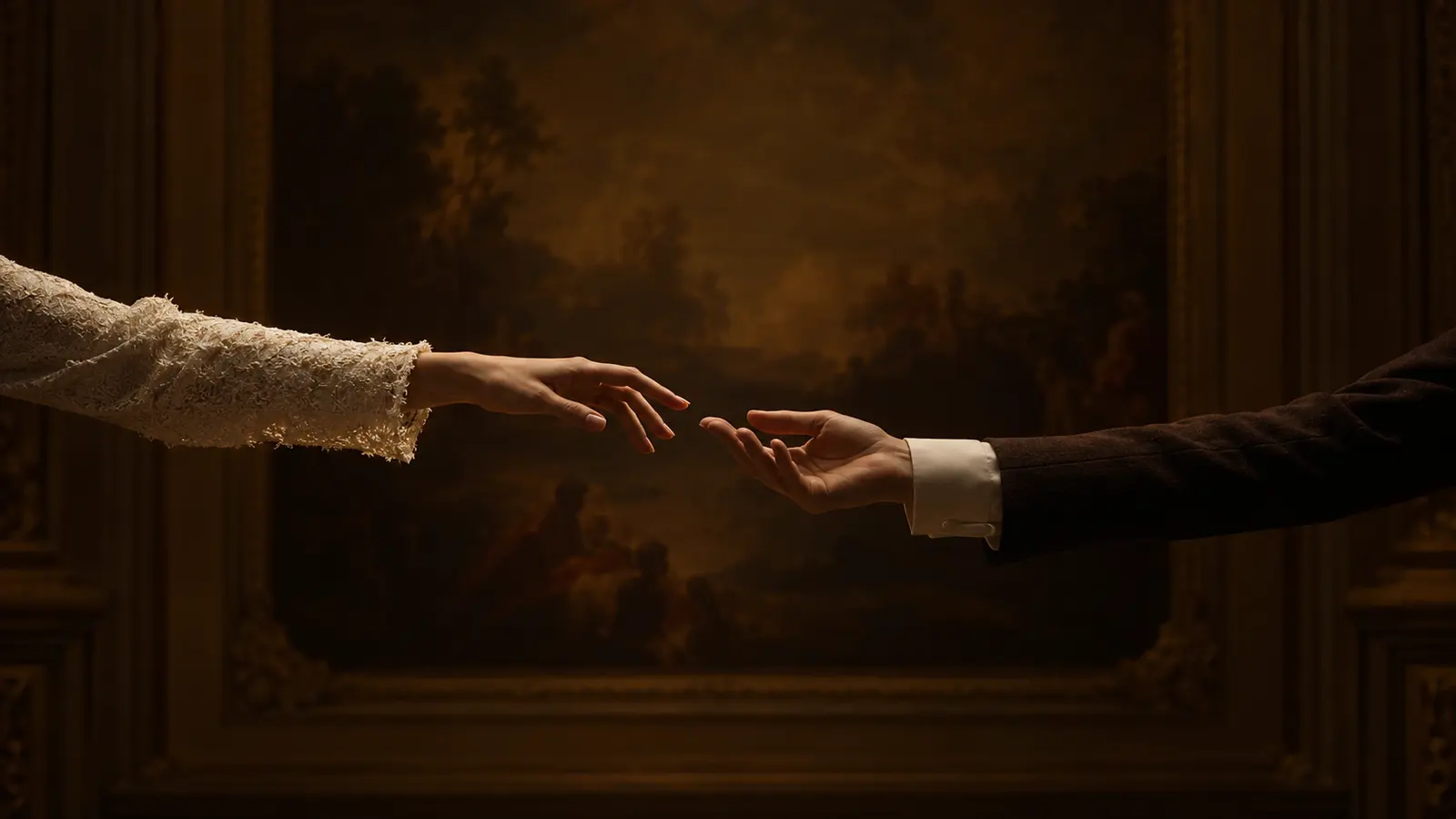
A painting on a wall has an insurance value, an estimate and an opinion attached to it. It does not have a price. The price arrives only when someone pays it, and in a market as thin as the top of the art world that can be years apart for any single work.
That is worth remembering after a difficult stretch. Global art sales fell for a second consecutive year in 2024, according to the annual report from Art Basel and UBS, with the weakness concentrated at the very top, where the most expensive works sell. A slower top end means fewer sales to anchor what everything else is worth.
The cost of a transaction
Buying and selling at auction carries fees that would be unthinkable in public markets. The buyer pays a premium on top of the hammer price, the seller often pays a commission, and both pay for insurance, shipping and, where it applies, tax. Round trip costs that eat a large share of a work's value are common, which means a piece has to appreciate a great deal before its owner is merely back where they started.
At the top of the market, many important lots are guaranteed before the sale, either by the auction house or by a third party who agrees to buy the work at a set price if no one bids higher. Guarantees bring in consignments, but they also mean that the visible auction result is shaped by private arrangements made in advance. Prices that look like open discovery are often partly negotiated.
What it means for capital
For someone allocating capital, art is a store of value for patient owners and a poor home for money that may be needed. Buy work you would keep for decades, budget for the full cost of owning and eventually selling it, and treat any appreciation as a bonus rather than the case for the purchase. The collectors who do best are rarely the ones trading the market. They are the ones who never have to.


Comments