After the Watch Boom: What the Secondary Market Taught Collectors. Premieur
Follow
Watches
After the Watch Boom: What the Secondary Market Taught Collectors
Prices for the most sought after steel sports watches ran far above retail, then gave much of it back. The episode is a clean lesson in scarcity, liquidity and who sets the price.
Premieur Nov 05, 2026 1 min read
Follow Premieur
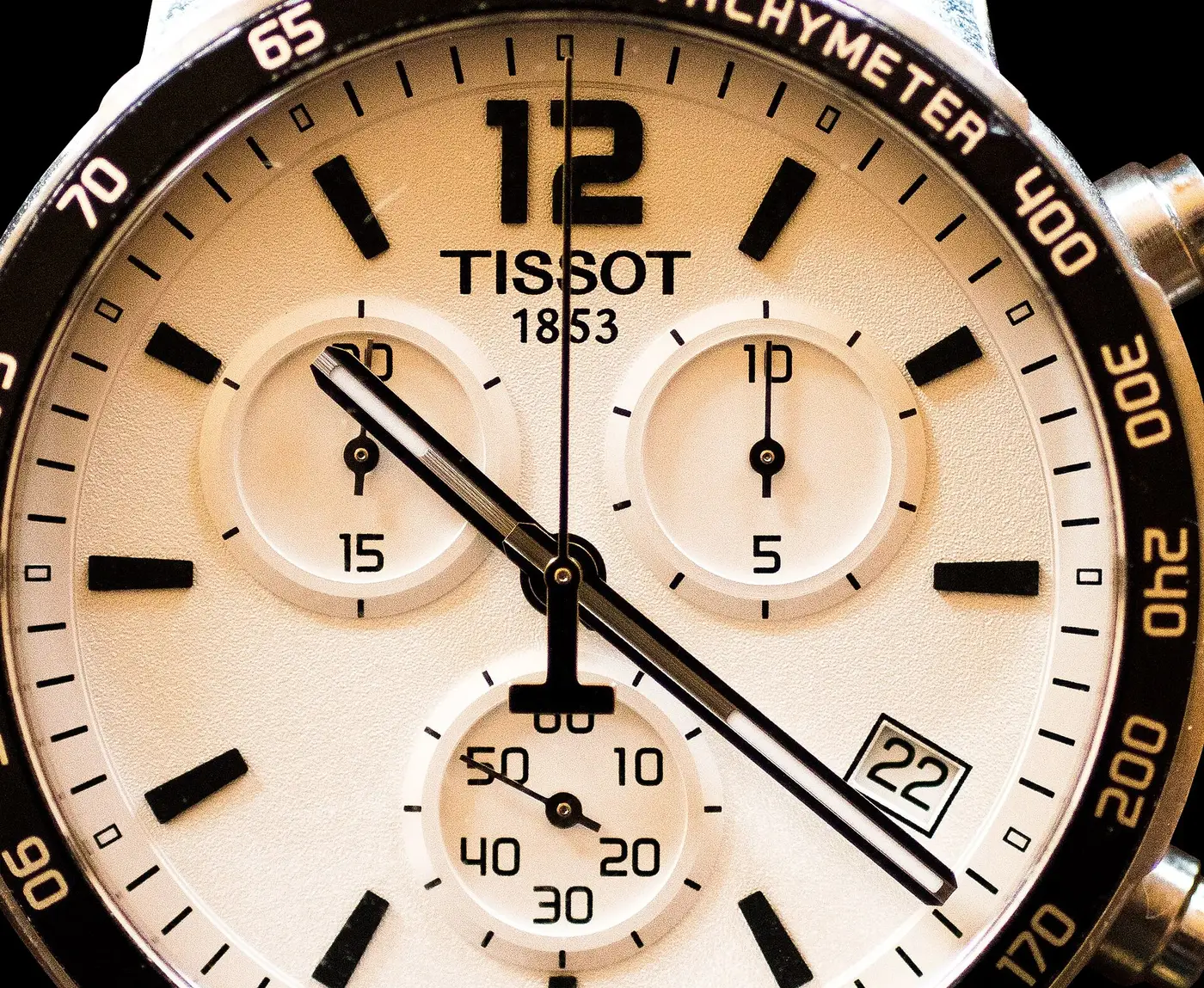
The hands and dial of a chronograph wristwatch. Photo: Wikimedia Commons, CC BY 2.0
For a stretch of the early 2020s, a handful of steel sports watches traded on the secondary market for multiples of their retail price. Waiting lists at authorised dealers stretched into years, and a new class of buyer treated the watches as assets that could only go up. Then, from the spring of 2022, secondary prices for the most traded references fell sharply and spent the following years working off much of the gain.
Scarcity that someone controls
The boom rested on a supply that the manufacturers, not the market, decide. When a maker chooses how many pieces to produce and which customers receive them, the retail price and the market price can drift far apart. That gap is not a yield. It is the spread between a rationed allocation and open demand, and it closes when demand cools or supply loosens.
The brands have since moved closer to the secondary market themselves. Rolex launched a certified pre owned programme at the end of 2022 and in 2023 agreed to buy Bucherer, one of its largest retailers. When the maker starts to participate in resale, the independent dealer's edge narrows and the price a collector can expect becomes easier to read.
The pieces that came through the correction best tended to share three traits: genuine rarity rather than rationed supply, complete provenance with box and papers, and condition that had not been compromised by over polishing or replacement parts. The references that had run furthest on speculation gave back the most.
What it means for capital
For someone allocating capital, a fine watch is best treated as a pleasure that can hold its value, not as a trade. Buy what you would wear, buy the best example you can and keep the paperwork. Expect a meaningful spread between what a dealer will pay and what a dealer will charge, and expect it to widen in a soft market. The collectors who did well in the boom and the bust alike were the ones who never needed to sell.


Comments