Fine Wine in Bond: The Quiet Asset in the Cellar. Premieur
Follow
Wine
Fine Wine in Bond: The Quiet Asset in the Cellar
Fine wine prices cooled after a long run. For collectors, the real edge was always storage, provenance and patience, not timing the market.
Premieur Nov 02, 2026 2 min read
Follow Premieur
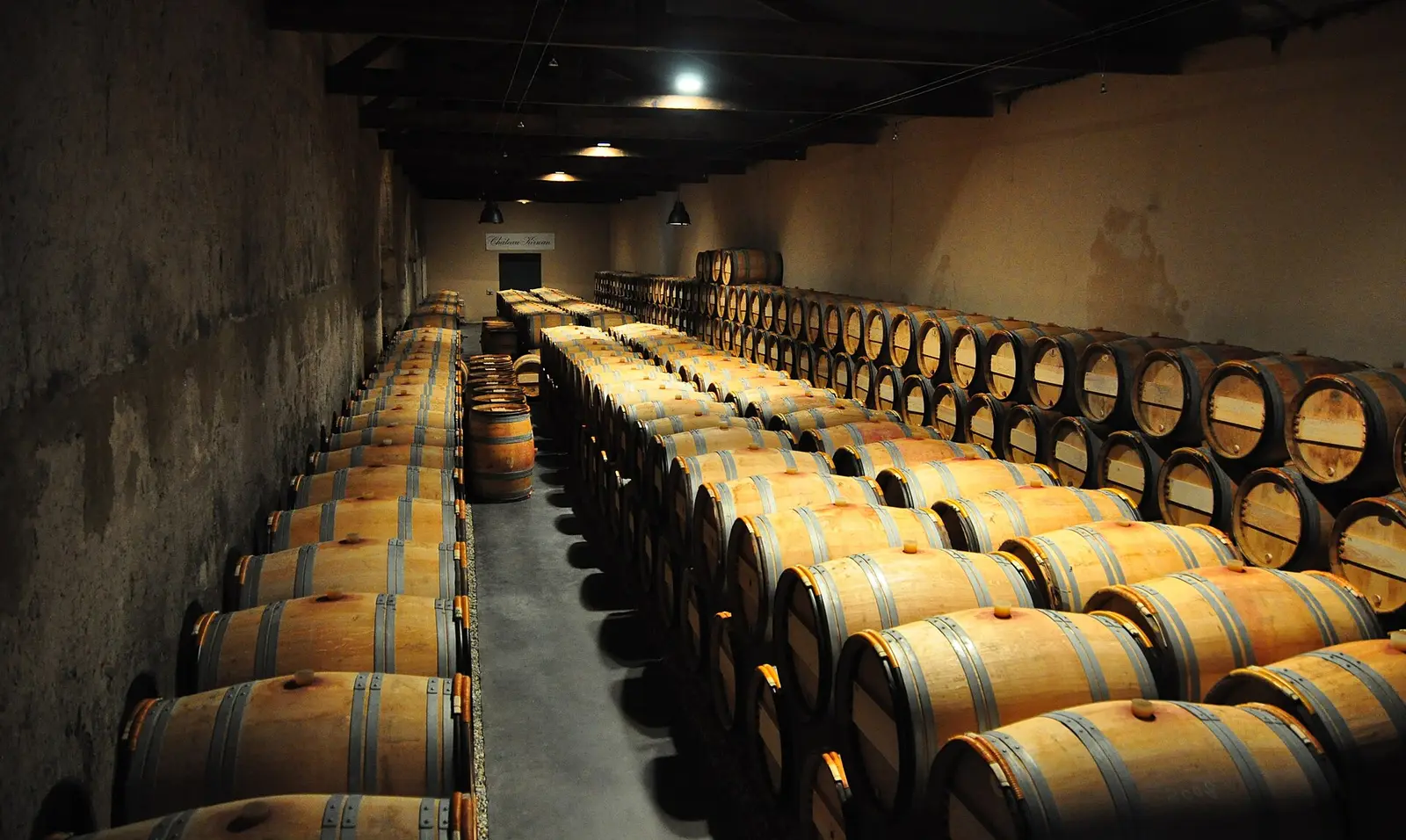
Barrels in the cellar at Chateau Kirwan, Margaux. Photo: Jon, Wikimedia Commons, CC BY 2.0
Fine wine had a long, steady run, and then it cooled. The Liv-ex Fine Wine 100, the industry's most watched index of blue chip bottles, peaked in late 2022 and drifted lower through 2023 and 2024. For collectors who bought to drink and to keep, the move was a reminder of what wine actually is: a slow, physical asset whose value depends on how it is kept and who can prove it.
Why storage is everything
Wine that has been stored in professional, temperature controlled conditions is worth materially more than the same wine kept somewhere uncertain. In Britain, many collectors hold wine in bond, in bonded warehouses where duty and VAT are deferred until the wine is released for consumption. Bonded storage keeps the wine in good condition, keeps the paperwork clean and makes it easier to sell to another collector without the bottles ever moving.
Provenance is the price
The wine trade learned the cost of weak provenance the hard way. In 2013, the collector Rudy Kurniawan was convicted in the United States of selling counterfeit wine, much of it passed off as rare Burgundy. The case reshaped how serious buyers check what they purchase. A bottle with an unbroken record of where it has been is worth more than an identical bottle with a gap in its history.
Storage, insurance and the merchant's margin on the way out all reduce returns. Prices are quoted for perfect condition and full cases, so a broken case or a damaged label can cost more than the market's move in a given year. And unlike most assets, wine is consumed, which means the supply of any great vintage shrinks over time. That is the quiet support under the best wines' value.
What it means for capital
For someone allocating capital, fine wine rewards patience and administration far more than timing. Buy from reputable sources, store professionally from the start and keep every document. Treat the wine you drink as a pleasure and the wine you keep as a long dated holding with real costs. The collectors who do best are the ones whose cellars were never for sale in a hurry.

Comments