The collector car market prices history, condition and correctness. For owners who think like investors, the paperwork matters as much as the paint.
Premieur Nov 03, 2026 2 min read
Follow Premieur
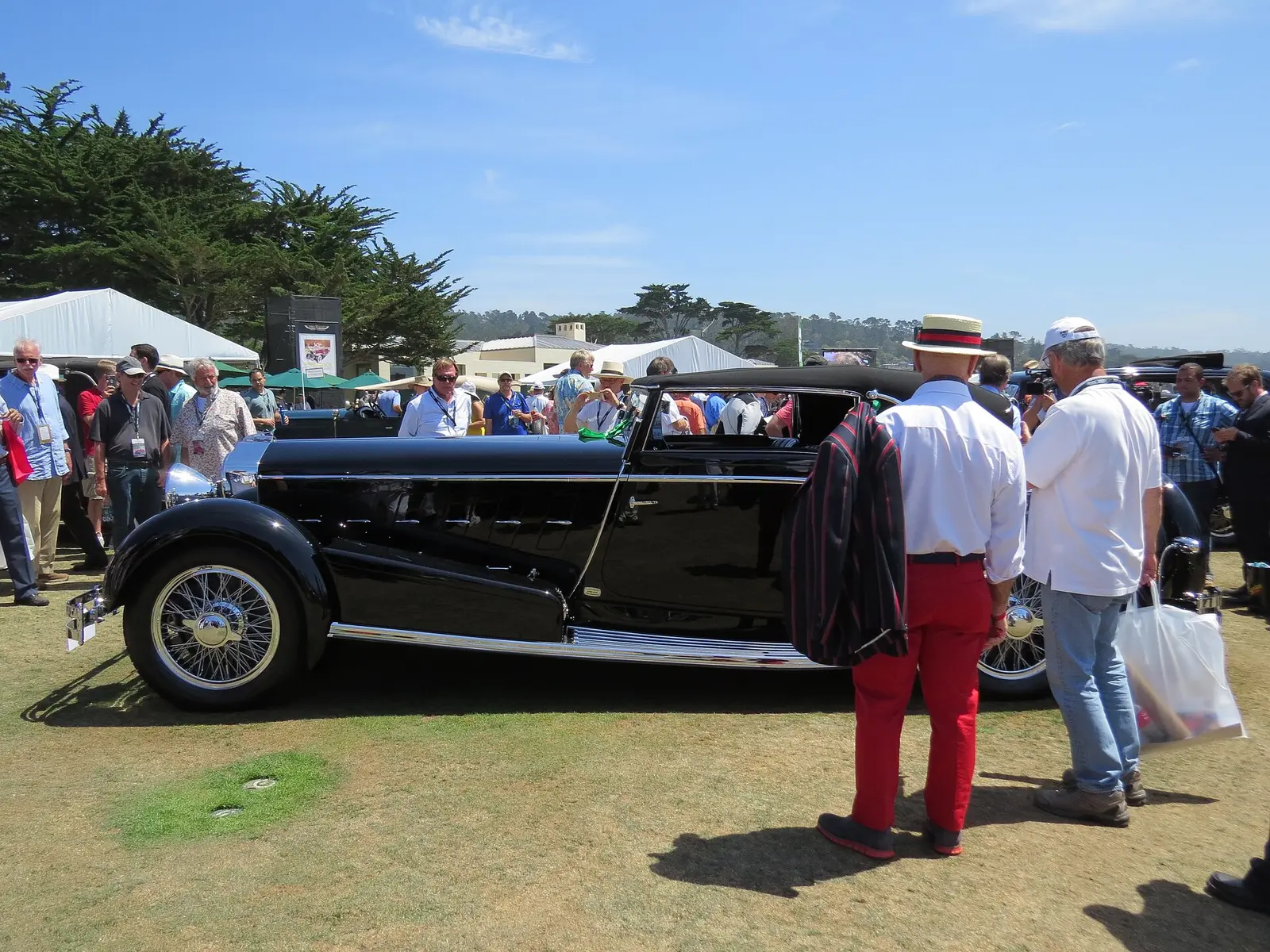
An Isotta Fraschini on show at a concours d'elegance. Photo: Jay Cross, Wikimedia Commons, CC BY 2.0
Every August, the Monterey Peninsula in California hosts the Pebble Beach Concours d'Elegance and a week of auctions that set the tone for the collector car market. The cars that command the strongest prices there tend to have something in common that has little to do with how fast they go: they are correct, documented and as close to how they left the factory as time allows.
What the market pays for
Collectors talk about matching numbers, meaning the engine and major components are the ones the car was built with. They talk about provenance, the chain of ownership and the records that prove it. And they talk about originality, which can mean a well preserved car with honest wear is worth more than one that has been restored beyond what the factory ever produced. A thick binder of receipts and history can move a price as much as the condition of the body.
The costs that come with it
A collector car is not a passive holding. It needs climate controlled storage, specialist maintenance from a shrinking pool of mechanics who know older machinery, and insurance written on an agreed value. Cars that are not driven still need exercise to keep seals, fluids and mechanisms healthy. And selling one through an auction house or dealer carries fees that cut into any gain.
Taste in collector cars moves with generations. The cars people coveted when they were young tend to rise in value as those buyers reach the peak of their spending power, and to soften as that generation leaves the market. That makes the segment cyclical in a way that has nothing to do with interest rates and everything to do with who is buying.
What it means for capital
For someone allocating capital, a collector car is best bought for the enjoyment and held with the discipline of an investor. Buy the best documented example you can afford rather than the cheapest example of a famous model, keep every record and budget for the carry. A great car, well kept and properly papered, is the one most likely to hold its value. A cheap one with a gap in its history usually costs the most in the end.



Comments