Why Car Week Sets the Price of Everything Else. Premieur
Follow
Cars
Why Car Week Sets the Price of Everything Else
A few days of public auctions each August do more to set collector car values than a year of private sales. That is a strength and a weakness of the market.
Premieur Oct 28, 2026 1 min read
Follow Premieur
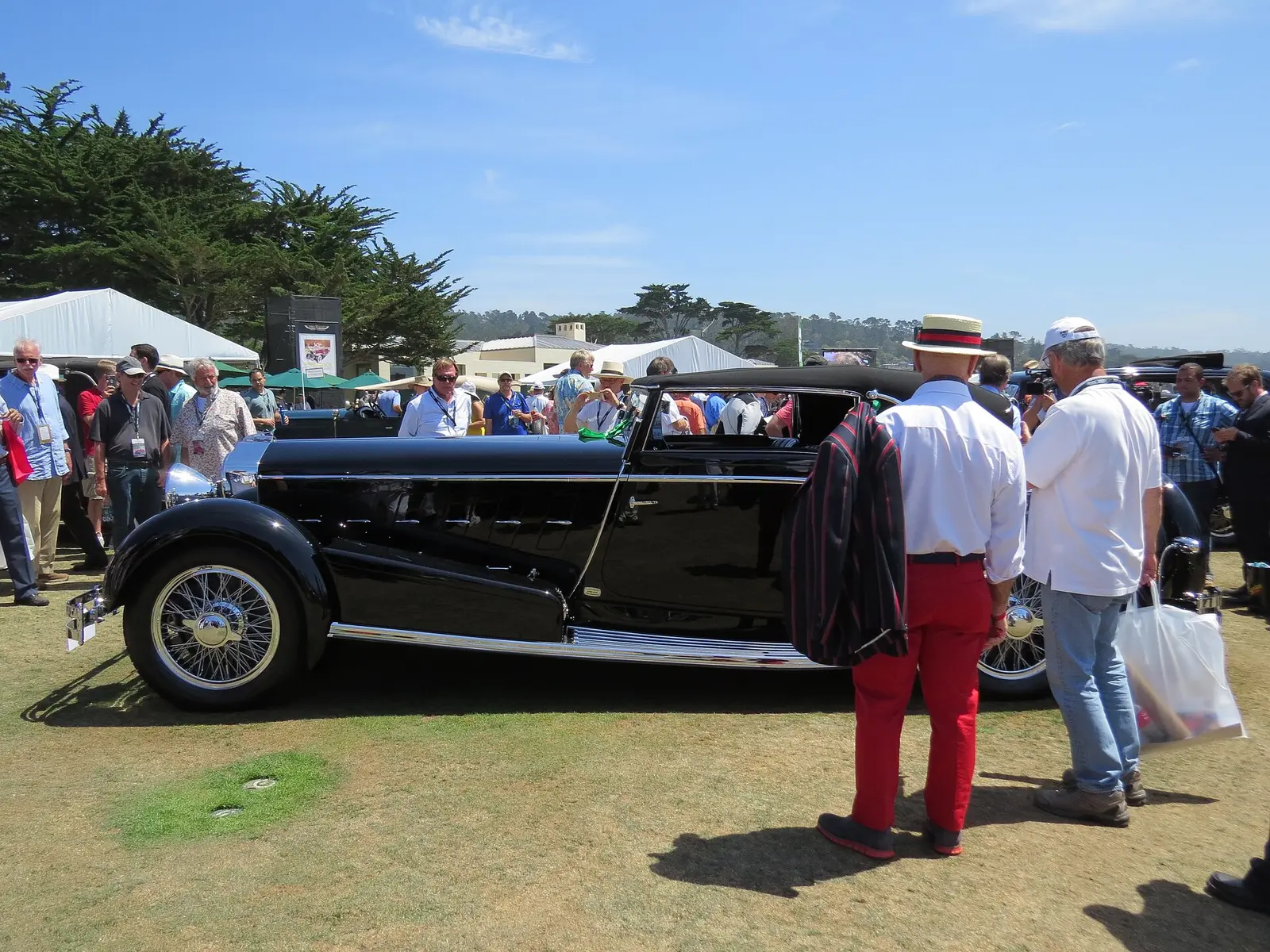
Cars on show during a concours d'elegance week. Photo: Jay Cross, Wikimedia Commons, CC BY 2.0
Most collector cars change hands privately, between dealers and collectors, at prices nobody else sees. A small number change hands in public, at auctions where every bid and every result is recorded. Those public sales, above all the ones held during Monterey Car Week in California each August, end up anchoring what the rest of the market believes its cars are worth.
Public results, private consequences
Auction results are the closest thing the collector car world has to a published price. Price guides, insurers and private buyers all lean on them. When a particular model sells well in August, owners of similar cars revise their expectations upward, and when one fails to meet its reserve, the whole segment can feel it. A few dozen results end up shaping the value of thousands of cars that never go near an auction.
Why a single sale can mislead
Every collector car is different, and an auction result reflects one car on one day, with its particular history, condition and the two people who happened to want it most. An exceptional example selling for a record does not mean an ordinary one is worth anything close. Fees on both sides of the sale also sit between the hammer price and what the seller actually receives.
The most useful signals from Car Week are often not the headline records but the sell through rate, meaning the share of cars that actually found buyers, and the gap between estimates and results. A week where many cars fail to sell, or sell well below estimate, says more about the direction of the market than any single trophy sale.
What it means for capital
For someone allocating capital, auction results are a starting point for valuation, not a conclusion. Compare like with like, weigh condition and history heavily, and pay attention to how much of the market is clearing, not just what the best car fetched. The owners who value their cars on last August's record are often the ones most surprised when they try to sell.





Comments