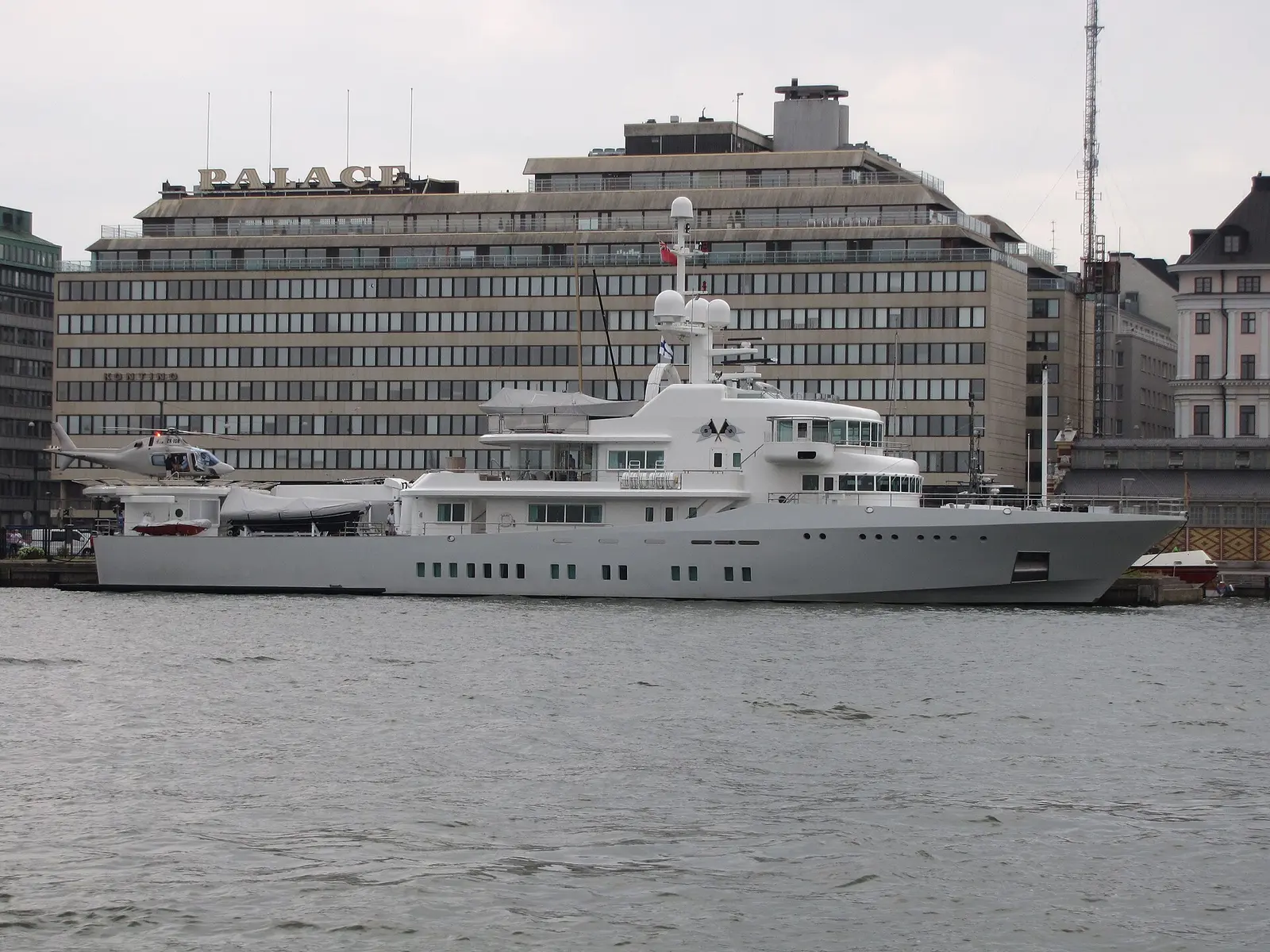
Walk a brokerage list and you will find boats that have been for sale longer than some owners had them. The reason is rarely the boat.
The anchor problem
Sellers anchor on their own purchase price plus whatever they spent on refit. Buyers price the boat forward: what the next yard period will cost, what the crew will cost, what the paint will cost. Those two numbers are calculated from opposite ends, and in a soft market they do not meet. The listing then becomes evidence against itself, because a boat visibly unsold for two seasons tells every buyer that nobody else wanted it either.
Depreciation does the rest. Production yachts lose value steadily, and the running cost does not fall with the asking price, so the ratio of carry to value gets worse every year the boat sits.
What it means for an allocator
If you are buying, the stale listing is where the value is, provided the survey supports it: a seller carrying two years of running costs on an unsold boat is a motivated counterparty. If you are selling, price it to move in the first season. The second season costs more than the discount you refused, and the market can see the history.



Comments