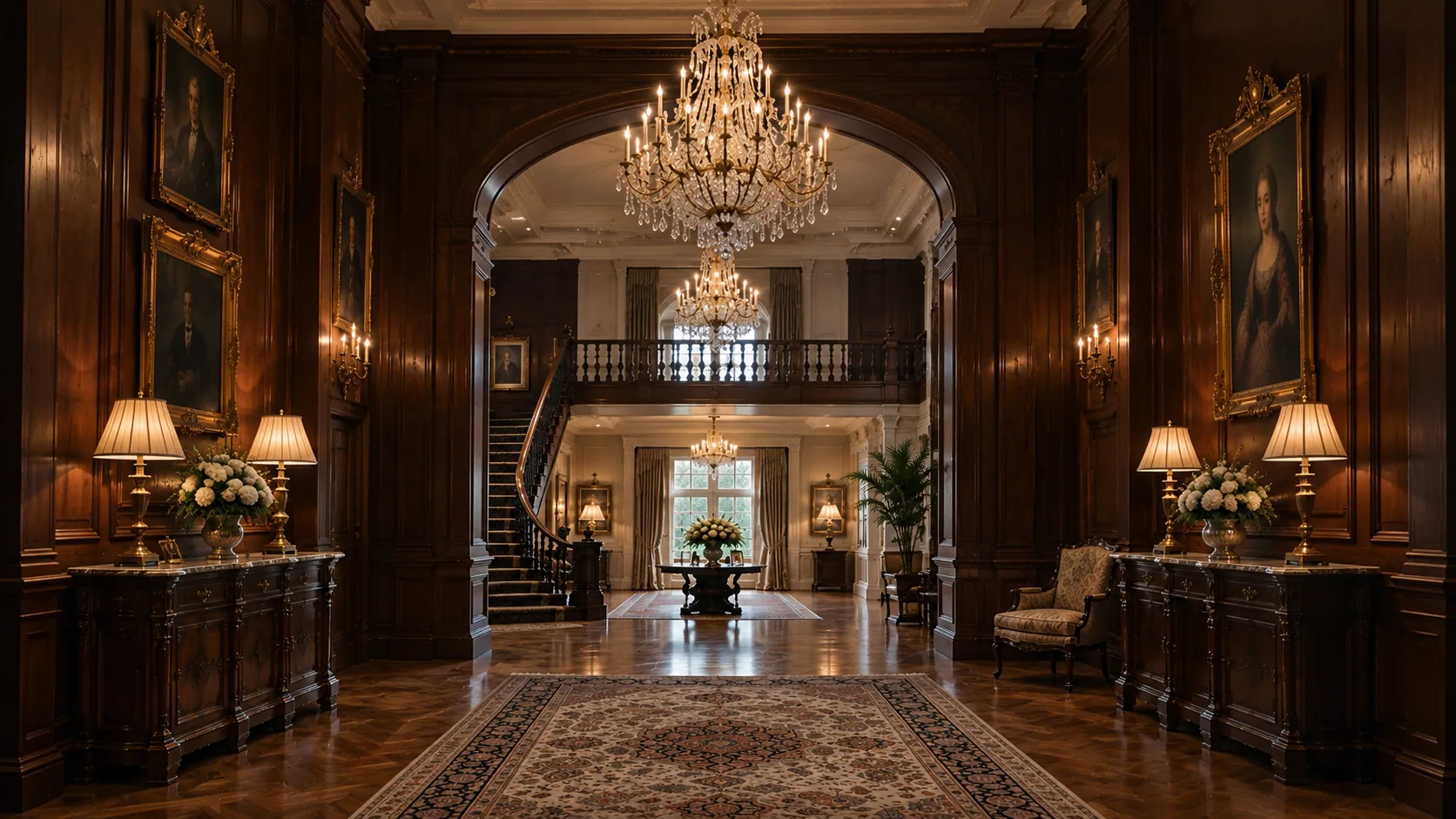
The listing price of a large estate is the one number everybody discusses and the least useful one for deciding whether to own it.
The standing cost
A serious house runs on people and plant. Household staff, grounds, security, insurance, utilities and the maintenance of systems built for a building of that size are a fixed annual commitment, and they do not scale down in the years the family is away. Add property taxes where they apply and the standing cost of a trophy property reaches a figure that would fund a meaningful allocation elsewhere.
Remote and island properties add transport to everything. Every contractor, every part and every delivery carries a logistics cost, and the pool of people able to do specialist work locally is small enough to be a pricing problem of its own.
What it means for an allocator
Capitalise the carry before you buy. Work out the annual running cost, decide what capital would be required to throw off that amount reliably, and read the purchase price and that capital as one commitment. Owners who do this tend to buy smaller and keep longer. Owners who do not tend to discover the number in year three, which is also the year the property quietly goes on the market.

Comments