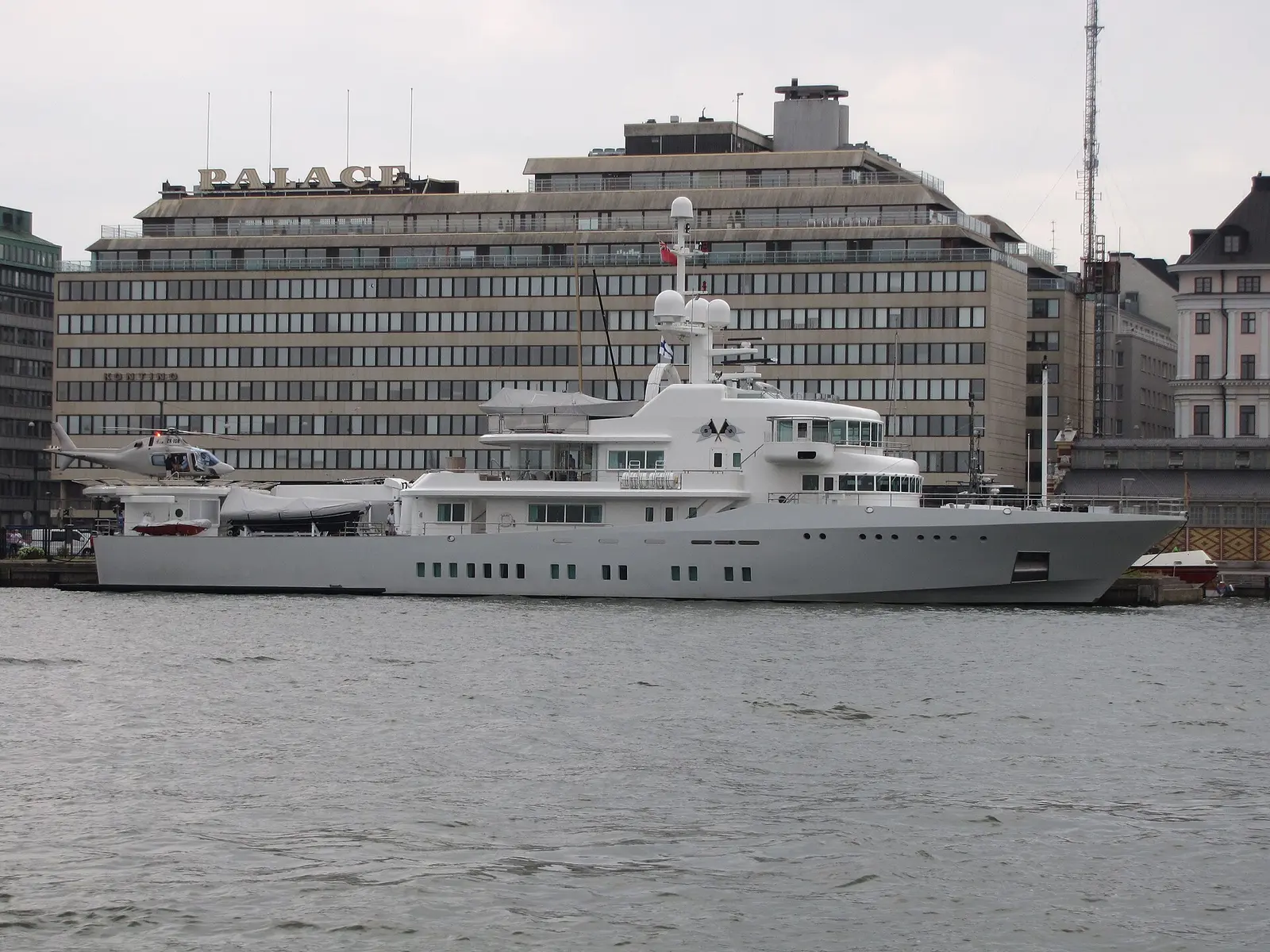
Ask an owner what a yacht cost and you will be told the purchase price. Ask the captain and you will be told about the yard.
A large yacht runs on a cycle. Class rules require periodic surveys, and in practice most owners plan around a major yard period every five years with lighter work in between. Paint, generators, stabilisers, navigation electronics and interior wear all come due on their own schedules, and a yard period gathers them into one bill.
Why the number moves so much
Two boats of the same length can produce refit quotes that differ by multiples. The variables are the state of the paint, whether systems were maintained on schedule or deferred, how much of the interior is being touched, and the yard day rate. A deferred maintenance history is the most expensive thing a buyer can inherit, because deferral compounds: a generator left too long takes the hours of every technician working downstream of it.
What it means for an allocator
Treat the survey the way you would treat diligence on an operating company. The hull inspection, the engine hours, the service records and the yard file are the equivalent of a quality of earnings report, and they price the asset more accurately than any listing. A boat bought cheaply with a weak file is not cheap. It is financed by the next owner refit. The discipline that works is to underwrite the purchase price and the first yard period as one number, then decide whether the asset is worth it at that number.


Comments