The Independents: Why Small Watchmakers Command Long Waiting Lists. Premieur
Follow
Watches
The Independents: Why Small Watchmakers Command Long Waiting Lists
Independent watchmakers produce a tiny fraction of what the big houses make. That scarcity is real rather than rationed, and collectors price it accordingly.
Premieur Oct 30, 2026 2 min read
Follow Premieur
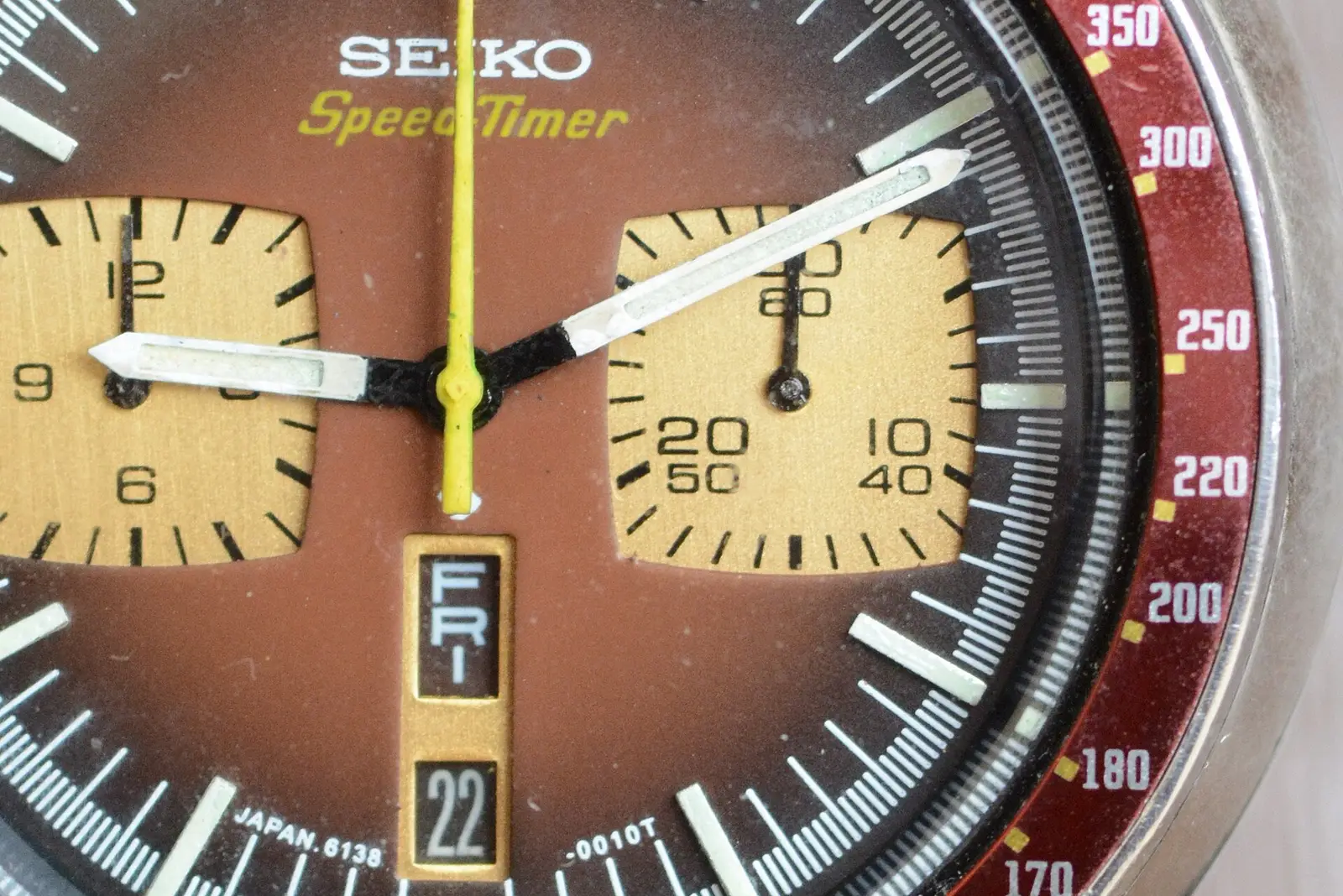
The dial of a mechanical chronograph, close up. Photo: Dnalor 01, Wikimedia Commons, CC BY-SA 3.0
The large Swiss houses make watches in the hundreds of thousands. A respected independent watchmaker may make a few hundred a year, sometimes far fewer, many of them finished by hand in a small workshop. For collectors who have moved past the obvious names, that difference has become the whole attraction.
Scarcity that is genuine
The watch boom of the early 2020s showed how a manufacturer can create scarcity by controlling supply. Independents are scarce for a different reason: they cannot make more without changing what they are. A watch that takes a single craftsman weeks to finish has a natural ceiling on output. That kind of rarity tends to hold up better when the market cools, because it was never a decision that could be reversed.
How the price is set
Because supply is so small, many independents sell through waiting lists or directly to known clients, and the most sought after pieces appear at auction only occasionally. When they do, the result can sit far above the original price, but the sample is small and each sale tells you about one watch rather than a market. Buyers should be wary of treating a single headline auction as a valuation of every piece by the same maker.
An independent's value is closely tied to the maker and the workshop. Servicing can be harder to arrange than for a large brand with a global network, and a firm's fortunes can change with its founder. Provenance, original papers and a service history from the maker itself matter even more here than with the big houses.
What it means for capital
For someone allocating capital, an independent watch is a bet on craftsmanship and on a particular maker's standing, not on a liquid market. Buy pieces you admire, prefer makers with a long record and a clear plan for servicing, and expect resale to be slow and dependent on finding the right collector. The appeal is that you own something very few people can. The cost is that very few people can buy it from you.



Comments