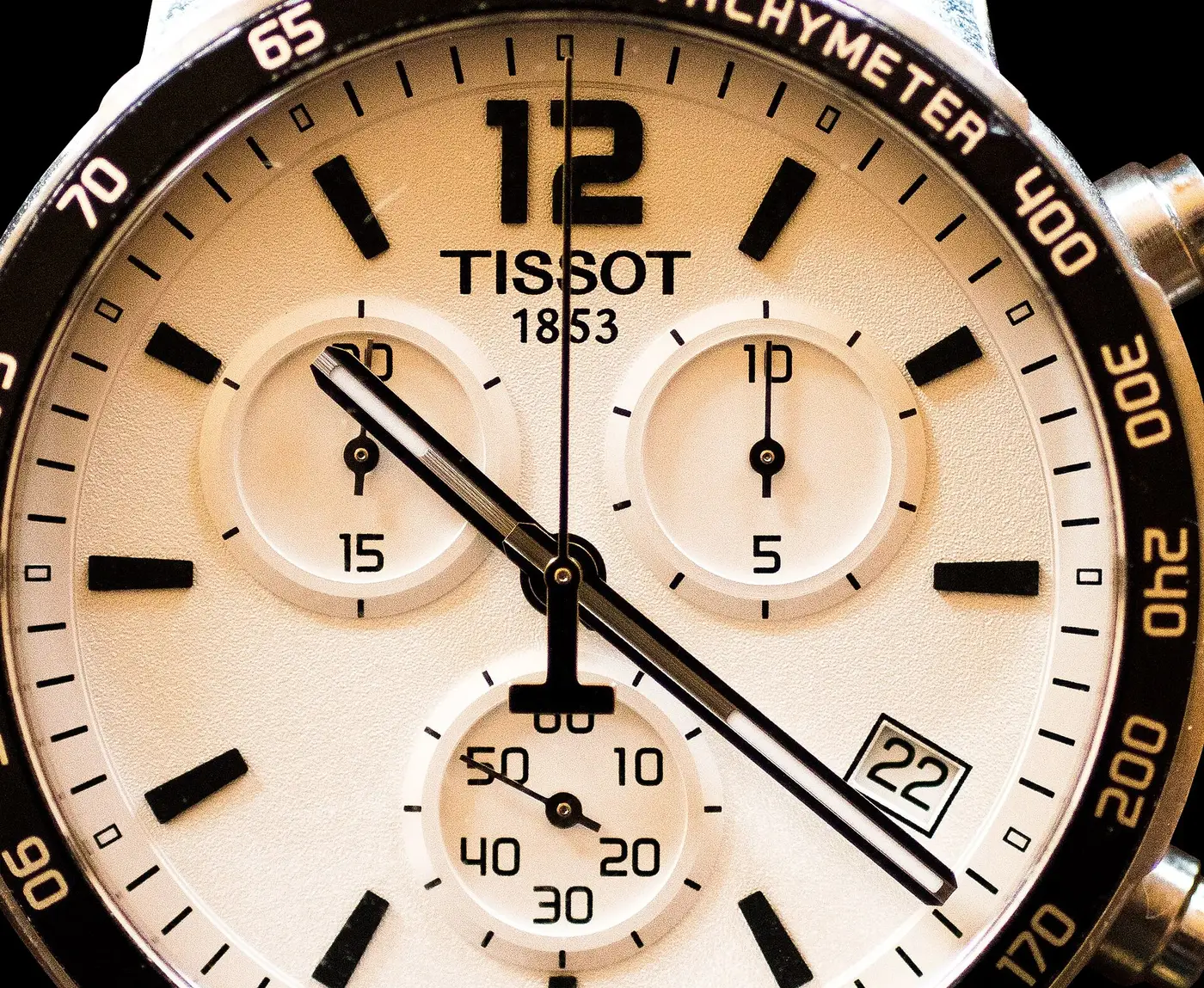
Collectors talk about acquisition prices and almost never about service intervals, which is odd, because one of those recurs.
The arithmetic nobody runs
Manufacturers typically recommend a full service every five to seven years. For a complicated piece the cost runs well into four figures and the watch can be away for months. Multiply that by a collection of twenty and the collection carries a standing annual cost whether or not anything is worn.
There is a second cost that does not appear on an invoice. Over servicing, and in particular polishing performed as a matter of routine, removes metal and with it the sharp original geometry that buyers pay for. A watch can be maintained into a lower price bracket.
What it means for an allocator
Service on condition, not on the calendar, and instruct every watchmaker in writing that the case is not to be touched. Keep the old parts: on vintage references the original crown, bracelet and hands can be worth more than the service. And when sizing a collection, size it to what can actually be maintained properly. Twenty pieces running late on service are worth less than ten kept correctly, and the gap shows up at exactly the moment you want to sell.



Comments