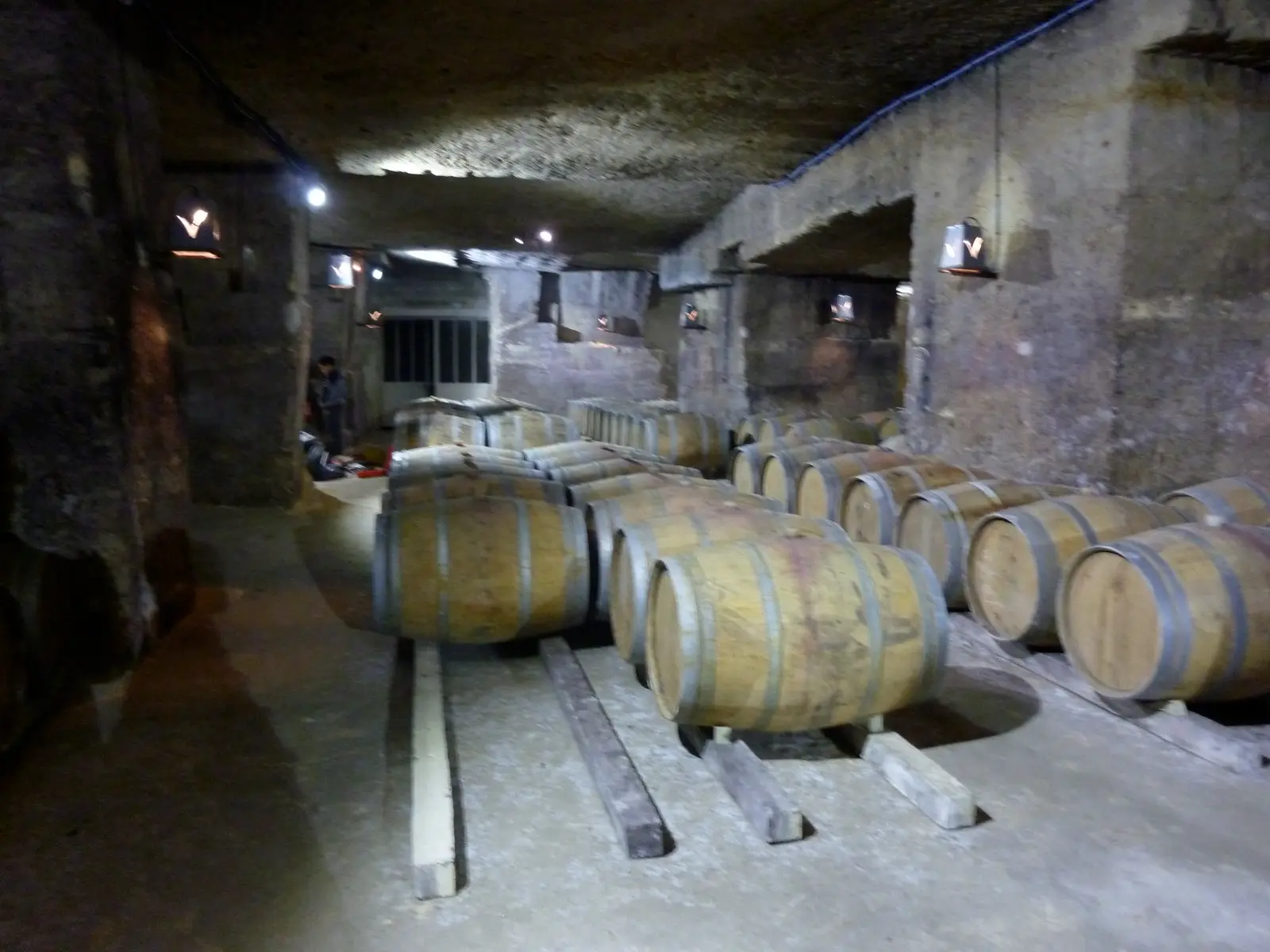
Fine wine is one of the few assets that can be destroyed by the way it is kept and still look perfect from the outside.
What the market is actually buying
Temperature stability matters more than temperature. A cellar that swings between warm and cool pushes the cork and ages the wine faster than one held steadily. Humidity keeps the cork sealed. Light and vibration do their own damage. None of this is visible through the glass, which is why the market prices the record instead: wine that has been in professional bonded storage since release trades above wine with a gap in its history, even where both look sound.
Original wooden cases, intact seals and an unbroken chain of ownership compound the effect. At auction the difference between in bond, never moved and a case with an unexplained decade is real money.
What it means for an allocator
Buy the storage history as deliberately as you buy the wine, and once you own it, do not break it. Moving a case out of bond to a private cellar for a few years can cost more at sale than the storage fees it saved. For anything bought to be sold, the rule is simple: in bond, in the original case, never moved, fully documented. Everything else is drinking stock, and should be priced that way.

Comments