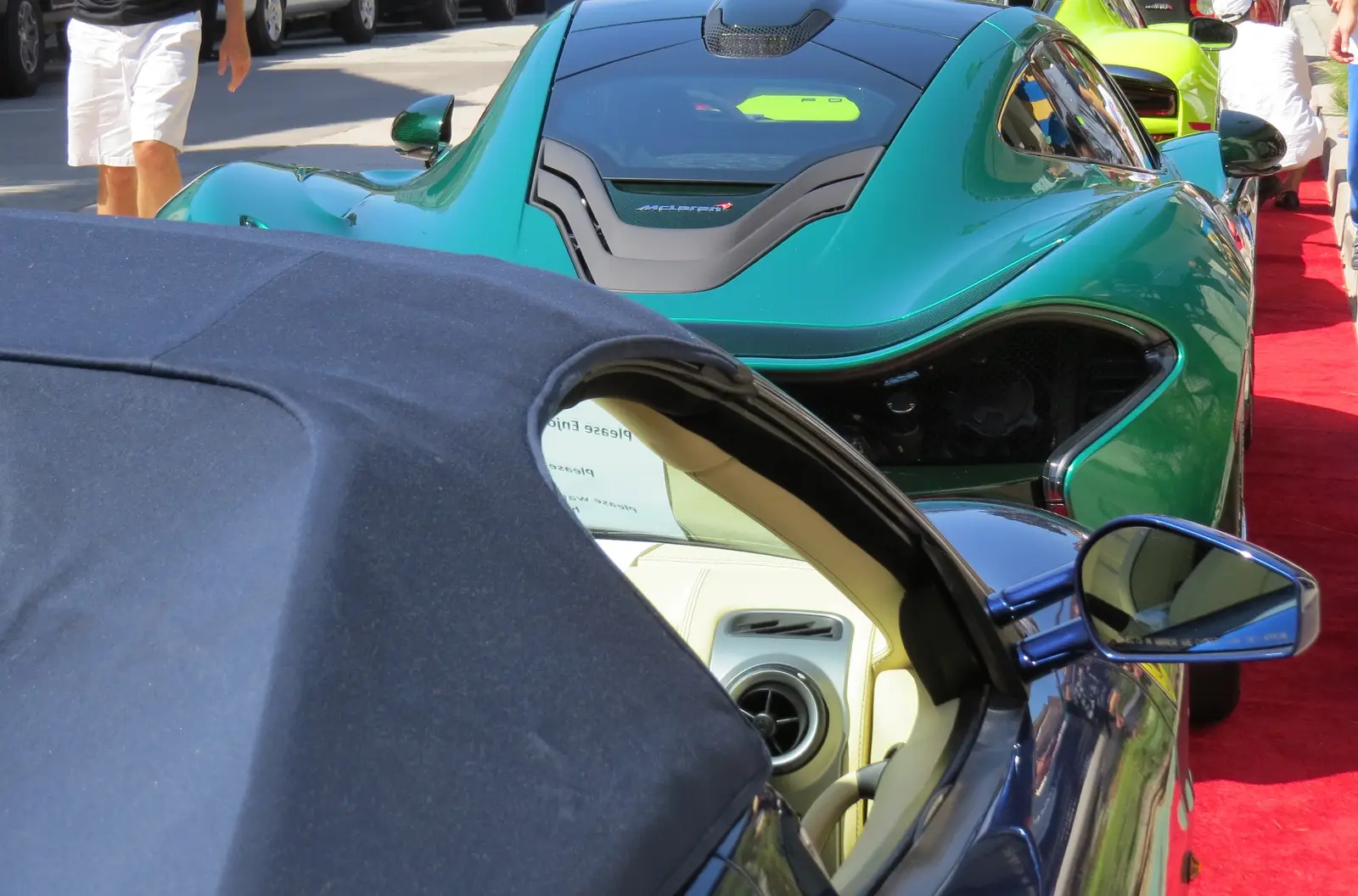
The first collector car is a purchase. The fifth is an operation.
Where the money actually goes
Climate controlled storage, agreed value insurance, battery tenders, fluids, tyres that age out before they wear out, and the specialist labour that older cars require are all recurring. Transport is the item most often underestimated: a car driven to an event is a car at risk, so enclosed transport becomes standard as values rise, and it is charged by the mile.
The constraint that bites hardest is not money but people. The number of marque specialists able to work properly on a given car is small, their diaries are long, and a car waiting for a slot is a car not being used.
What it means for an allocator
Size the collection to the garage you can actually run. A collection that is exercised, serviced and documented holds value. One that sits still deteriorates in ways that are invisible until the pre sale inspection, and the discount at that point is far larger than the maintenance that was avoided. The sensible test before each purchase is simple: who will look after this one, and when.


Comments