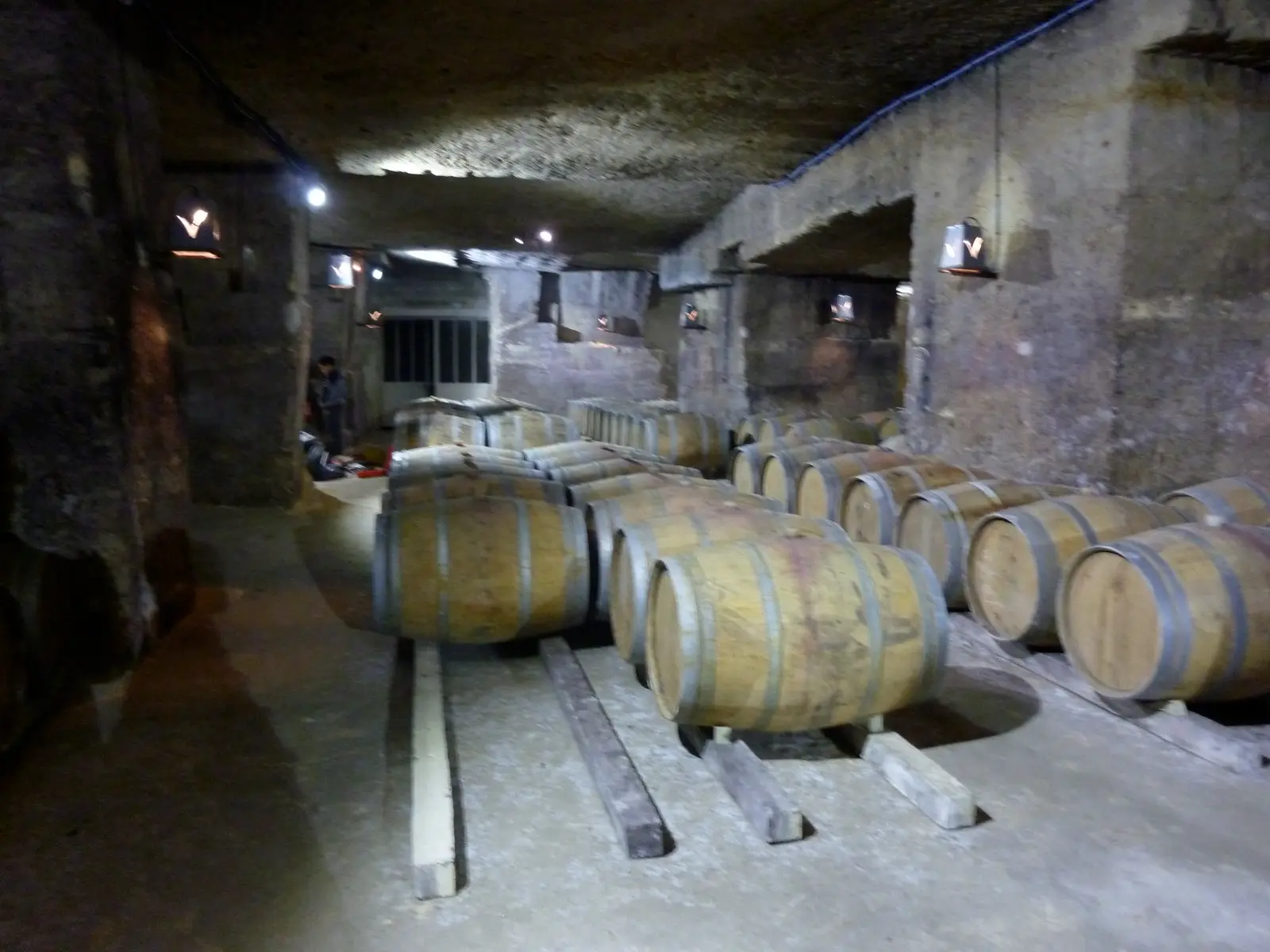
Every spring, the great chateaux of Bordeaux offer their newest vintage for sale while the wine is still in barrel, roughly two years before it is bottled and delivered. Buyers pay now and wait. The system, known as en primeur, is one of the oldest forward markets in the luxury world, and its health depends on a simple question: is the wine cheaper now than it will be later?
How the system works
Chateaux release their wine through a network of merchants and brokers in Bordeaux, who sell it on to merchants around the world and from there to collectors. The chateau sets the release price, the trade decides how much to take, and buyers commit their money long before they can taste the finished wine. In good years, early buyers secure allocations of the most sought after wines at prices that later rise once the wine is bottled and scarcer.
When the bargain disappears
The case for buying early rests on release prices leaving room for gains. In recent campaigns, many buyers and merchants have complained that release prices were set too high relative to older vintages already available in the market, sometimes for wine of similar quality. When a buyer can purchase a mature, bottled vintage for the same price as an unfinished new one, the incentive to commit money two years in advance largely disappears.
Comments