Taiwan Blocks Grab’s $600 Million Foodpanda Acquisition Over Competition Concerns
Taiwan’s Fair Trade Commission has blocked Grab Holdings’ proposed $600 million acquisition of Foodpanda’s Taiwanese delivery business, dealing a major setback to the Singapore-bas…
Argya Whisnuputra Oct 24, 2026 2 min read
Follow Buysiders
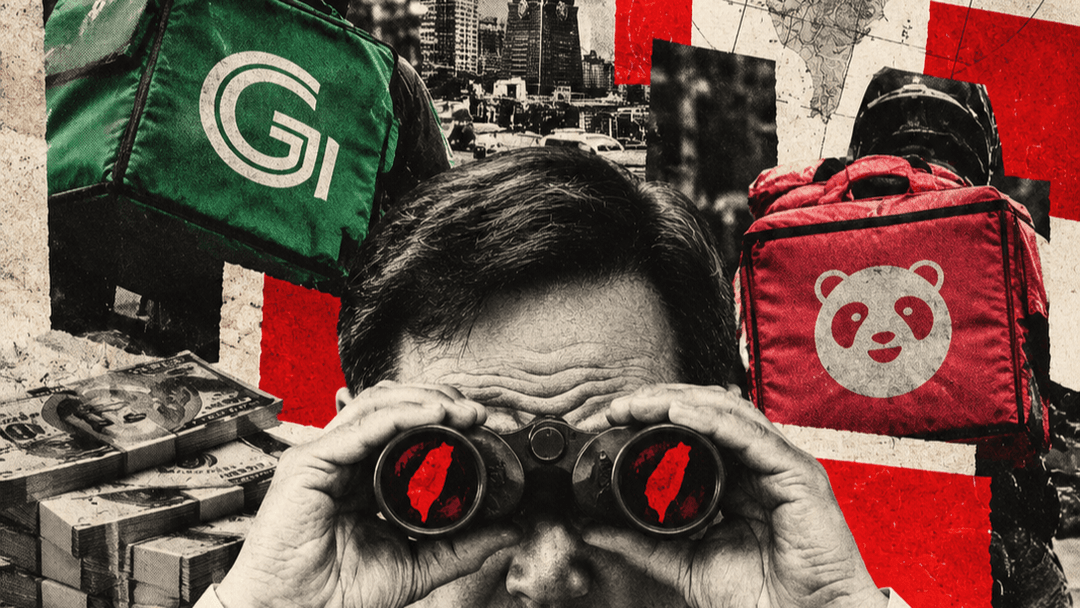
Taiwan’s Fair Trade Commission has blocked Grab Holdings’ proposed $600 million acquisition of Foodpanda’s Taiwanese delivery business, dealing a major setback to the Singapore-based superapp’s international expansion plans.
The decision, announced on October 21, 2026, followed concerns that the transaction could weaken competition in a market dominated by Foodpanda and Uber Eats. The proposed cash acquisition was announced in March and would have marked Grab’s entry into its ninth market and its first outside Southeast Asia.
Uber’s Stake Raises Regulatory Concerns
The regulator’s central concern involved the relationship between Grab and Uber Technologies, the parent company of Uber Eats. Uber owns approximately 13.1% of Grab, creating a potential conflict of incentives if Grab acquired Foodpanda and became a more direct competitor to Uber Eats in Taiwan.
According to Taiwan’s Fair Trade Commission, the existing ownership links and commercial relationships could reduce Grab’s incentive to compete aggressively against Uber Eats. The commission concluded that the proposed transaction’s potential harm to competition outweighed its expected economic benefits.
Three commissioners voted to block the transaction, one supported conditional approval, and one recused themselves.
Grab had proposed safeguards, including reducing Uber’s shareholding, restricting Uber personnel from serving on Grab’s board and limiting the exchange of commercially sensitive information. Regulators determined that these measures were insufficient to address the risks.
A Strategic Setback for Grab
For Grab, the acquisition represented an opportunity to expand beyond its established Southeast Asian markets while gaining access to Foodpanda’s Taiwanese merchant network, delivery infrastructure and customer base.
The companies said the Taiwanese business generated approximately $1.8 billion in gross merchandise value in 2025 and was profitable on an adjusted EBITDA basis before the allocation of Delivery Hero’s group costs.
The transaction was expected to contribute at least $60 million in incremental adjusted EBITDA to Grab in 2028, according to the companies’ March announcement.
The blocked deal leaves Grab without its planned Taiwanese entry through this acquisition. Grab said it was disappointed with the decision but maintained that its core Southeast Asian business remained strong.
What Happens Next?
The decision also complicates Delivery Hero’s efforts to streamline its international portfolio. The German company had described the sale as an important step in its strategic review and a move toward a more focused global footprint.
For Taiwan, the ruling reinforces the regulator’s scrutiny of consolidation in an already concentrated delivery market. Delivery workers and industry representatives welcomed the decision, arguing that reduced competition could increase pressure on worker compensation, restaurant commissions and consumer choice.
The immediate outcome is clear: Grab cannot complete the proposed acquisition under the rejected terms. Any alternative transaction would need to address the regulator’s competition concerns.
The broader question is whether a different buyer or revised ownership structure could unlock the business’s value without weakening competition in Taiwan’s food delivery market.



Comments